Site Prep That Accounts for Drainage
Light Excavation in Boise for residential grading, foundation trenching, and lot preparation before construction
Boise-area lots frequently require regrading to prevent water from pooling near foundations or running toward structures during spring runoff and summer storms. Blue Collar Vet LLC handles small-scale excavation work that corrects drainage problems, prepares sites for additions or outbuildings, and establishes proper slope away from existing structures. Precision matters more than speed when you're altering grade near foundation walls or utility lines.
The work includes foundation trenching for footings, removing soil to establish proper drainage paths, and reshaping yards where settling or poor initial grading has created low spots. Boise's clay-heavy soils compact unevenly and don't shed water naturally, so surface grading must account for how runoff moves across the lot during heavy rain or snowmelt.
Arrange an on-site assessment to evaluate current drainage patterns and discuss grading adjustments needed for your project..
Our Services
How Grading Addresses Water Movement
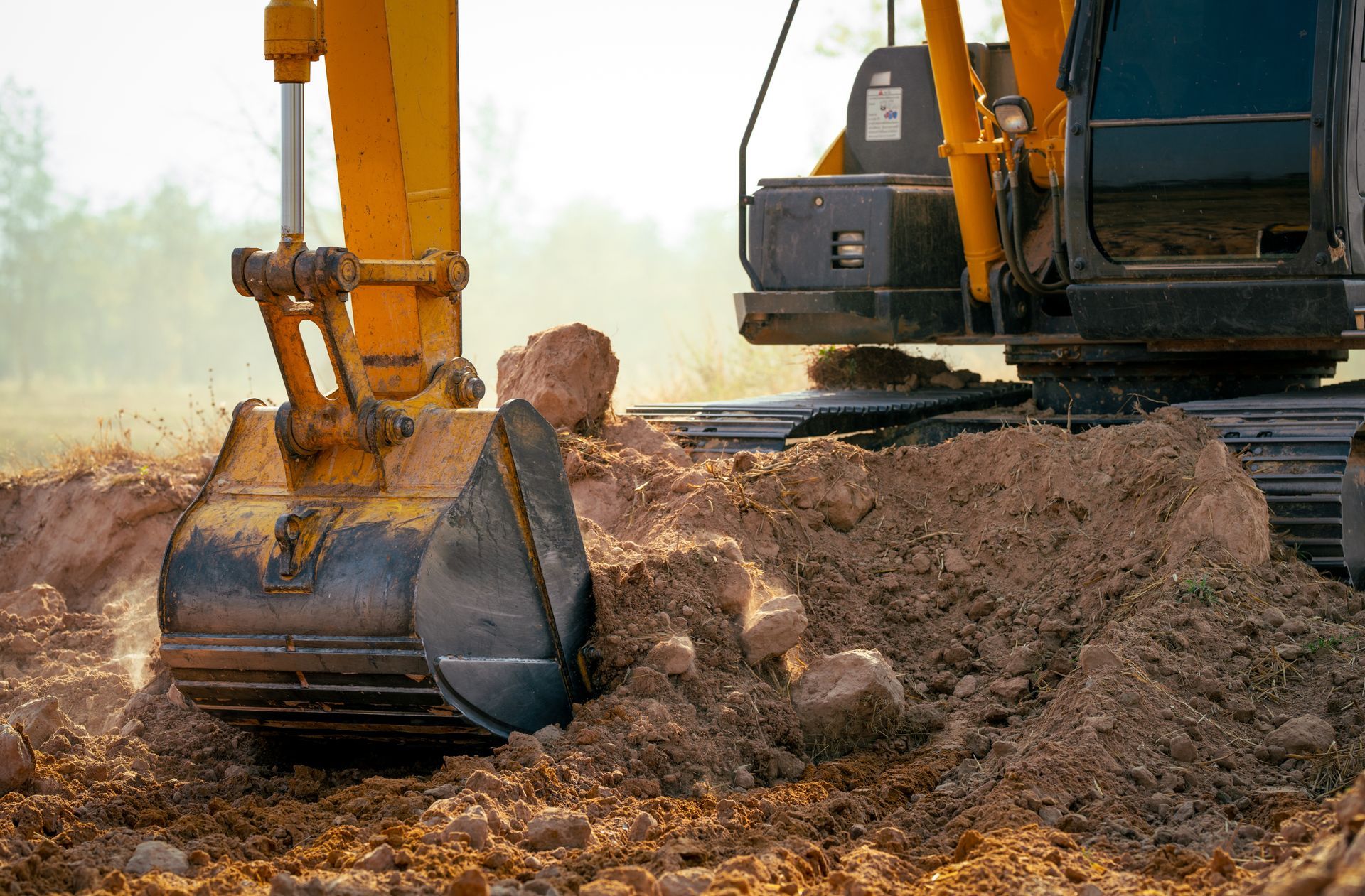
Proper lot grading creates a consistent slope that directs water away from structures and toward street drainage or designated collection areas. The work involves removing high spots, filling low areas with compacted material, and ensuring the finished grade falls at least six inches over the first ten feet from foundation walls. Trenching for utilities or footings requires stable walls and adequate depth to meet code, which depends on soil type and what the trench will support.
After grading is complete, you'll see water flow away from the house during rain instead of pooling along the foundation or creating muddy areas in the yard. Basement moisture problems often decrease once exterior grade directs runoff properly, and you'll have a stable base for landscaping, hardscaping, or new construction that won't settle unevenly over time.
Light excavation also includes site cleanup, removing old concrete or asphalt, and preparing areas for new driveways or patios. The scope stays within residential-scale projects rather than large commercial earthmoving, which allows for careful work around existing landscaping, irrigation lines, and underground utilities that aren't always marked accurately on property maps.
Answers to Frequent Service Questions
Questions about excavation and grading work typically focus on how the process affects existing features and what changes homeowners will observe.
What preparation happens before excavation begins?
The site is marked for underground utilities through Idaho's notification system, and existing grade is documented to determine how much material needs removal or addition to achieve proper slope.
How much slope is necessary for effective drainage?
The standard minimum is two percent grade, which equals a quarter-inch drop per foot of horizontal distance, though steeper slopes work better in Boise's clay soils that drain slowly.
What happens to excavated soil?
Depending on your project, soil can be redistributed to low areas on the same property, stockpiled for future landscaping, or removed if contaminated or unsuitable for reuse.
When is the best time to schedule grading work in Boise?
Late spring through early fall offers the driest soil conditions, making excavation and compaction easier, though emergency drainage corrections often can't wait for ideal weather.
Why does compaction matter after trenching or grading?
Loose backfill settles unevenly under its own weight and creates depressions that collect water, so mechanical compaction in layers prevents future sinking and maintains the intended grade.
Blue Collar Vet LLC operates with small crews that focus on precision rather than bulk earthmoving, which suits residential projects where existing landscaping and structures require careful work. Contact us to review your lot's current drainage and discuss grading solutions tailored to your property's soil and slope conditions.