Fences Built to Survive High Desert Conditions
Fence Services in Boise for properties needing installation or structural repair after freeze-thaw damage
Blue Collar Vet LLC builds and repairs fences throughout Boise, addressing the specific challenges high desert freeze-thaw cycles create for post stability and material durability. Posts set without proper depth or drainage fail within a few seasons as ground movement compromises their foundation. You need a fence that accounts for these conditions from the start, not one that requires constant adjustment.
The work involves custom fence construction and structural repair, with particular attention to post-setting techniques that prevent frost heave and settling. Boise's temperature swings between winter lows and summer heat cause soil expansion and contraction, which pulls improperly anchored posts out of alignment or cracks concrete footings that weren't poured to adequate depth.
Schedule a property evaluation to review your fence line and discuss material options suited to local soil conditions.
Our Services
What Proper Post-Setting Prevents Long-Term
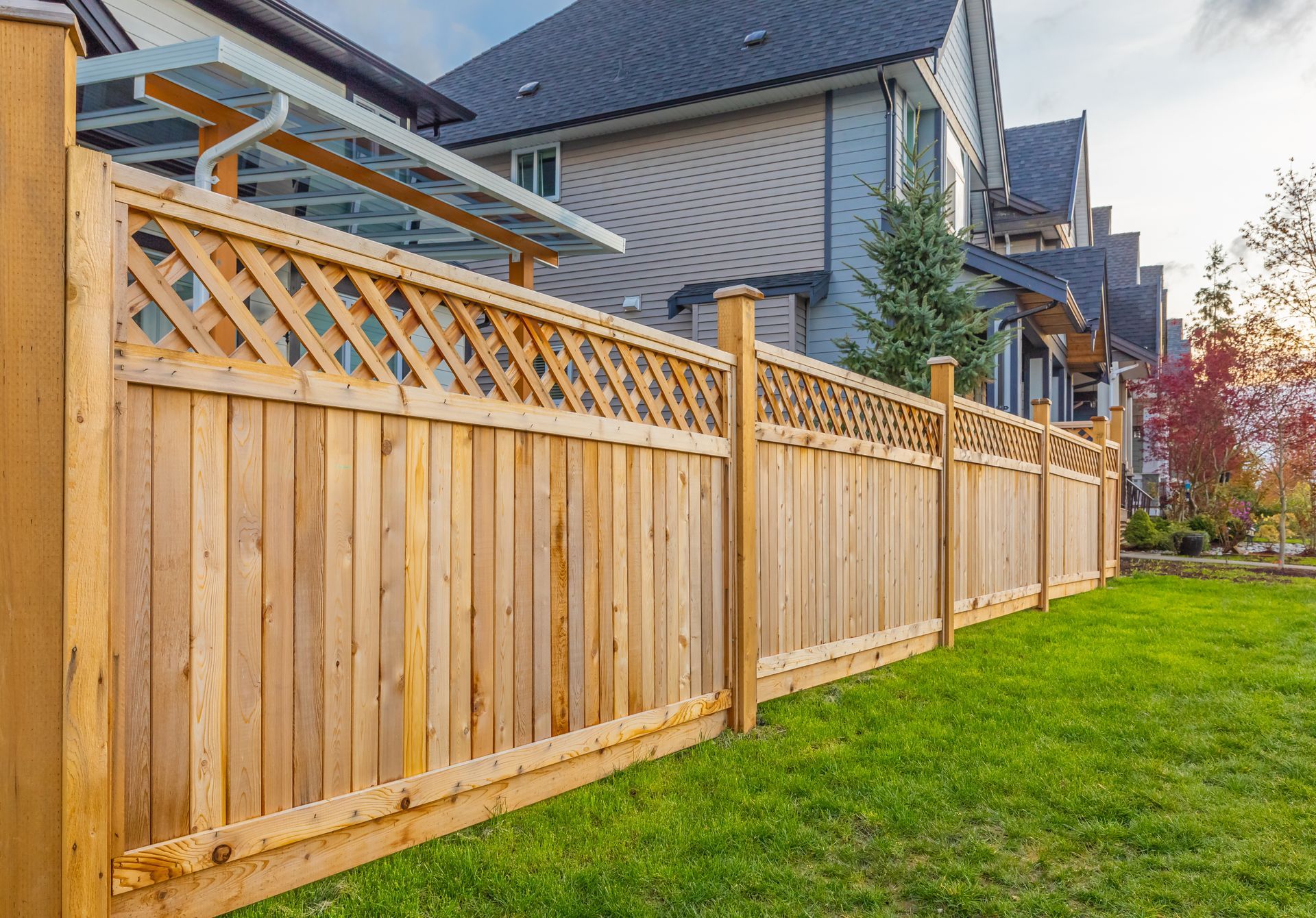
Post placement determines whether your fence remains plumb and stable or leans and sags within two years. Holes must extend below the frost line, and backfill material needs to allow drainage while providing lateral support, which means gravel base layers rather than tamped native soil alone. Posts set in concrete require proper curing time and mix ratios that account for freeze-thaw expansion.
Once the fence is complete, you'll notice gate latches align without forcing, panels remain level along slopes, and corner posts don't shift when rails are under tension. Boards won't develop gaps at the top or bottom as the structure settles, and you won't need to reset posts every few seasons because the original installation accounted for ground movement from the beginning.
Material selection also affects how the fence responds to UV exposure and moisture cycling. Cedar resists rot better than pine in Boise's dry summers, and metal posts eliminate wood rot concerns entirely but require different anchoring methods. The decision depends on your budget, aesthetic preferences, and how much maintenance you're willing to perform over the fence's lifespan..
What Property Owners Usually Ask
Homeowners often have questions about fence installation and repair work, particularly regarding how local conditions affect material choices and construction methods.
What depth do fence posts need in Boise soil conditions?
Posts must extend at least 30 inches below grade to sit beneath the frost line, which prevents heaving during winter freeze-thaw cycles that destabilize shallow posts within one or two seasons.
How does climate affect fence material selection?
Boise's high desert environment includes intense summer UV exposure and low humidity, which causes untreated wood to crack and warp faster than in more moderate climates, making material grade and finish coatings critical to longevity.
What does fence repair typically involve?
Repair work assesses whether posts have rotted at grade level or shifted due to soil movement, then addresses structural issues before replacing damaged boards or rails that no longer align properly.
When should I replace rather than repair an existing fence?
If more than a third of the posts show rot or movement and the rails have lost structural integrity, replacement becomes more cost-effective than piecemeal repairs that only delay comprehensive failure.
Why do some fences lean after a few years?
Inadequate post depth, insufficient backfill compaction, or posts set without accounting for prevailing wind direction allow lateral pressure to gradually shift the structure out of plumb.
Blue Collar Vet LLC prioritizes construction quality that accounts for Boise's specific soil and climate demands rather than rushing installation. Request a site consultation to discuss your fence project and review foundation requirements based on your property's grade and drainage patterns.