Floors That Stop Showing Seasonal Movement
Floor Repairs in Boise for wood, laminate, and concrete surfaces affected by moisture changes and settling
Seasonal moisture fluctuations and foundation settling affect how subflooring and finish materials perform across Boise homes. You'll notice gaps opening between floorboards in winter when indoor humidity drops, or boards cupping in spring when crawl space moisture rises through inadequate vapor barriers. Blue Collar Vet LLC repairs wood, laminate, and concrete floors by addressing both the visible damage and the subfloor conditions that allow problems to develop. Surface fixes without correcting what's happening underneath waste time and money.
The work includes subfloor assessment to identify structural issues, board replacement where wood has cupped or separated, refinishing to restore protective coatings, and concrete patching with sealing for basement or garage floors. Moisture-related damage often means the subfloor needs reinforcement or ventilation improvements before new finish flooring is installed, otherwise the same problems return within months.
Request a floor inspection to determine whether damage is isolated to surface boards or involves deeper structural issues requiring subfloor work.
Our Services
Why Subfloor Condition Matters for Finish Stability
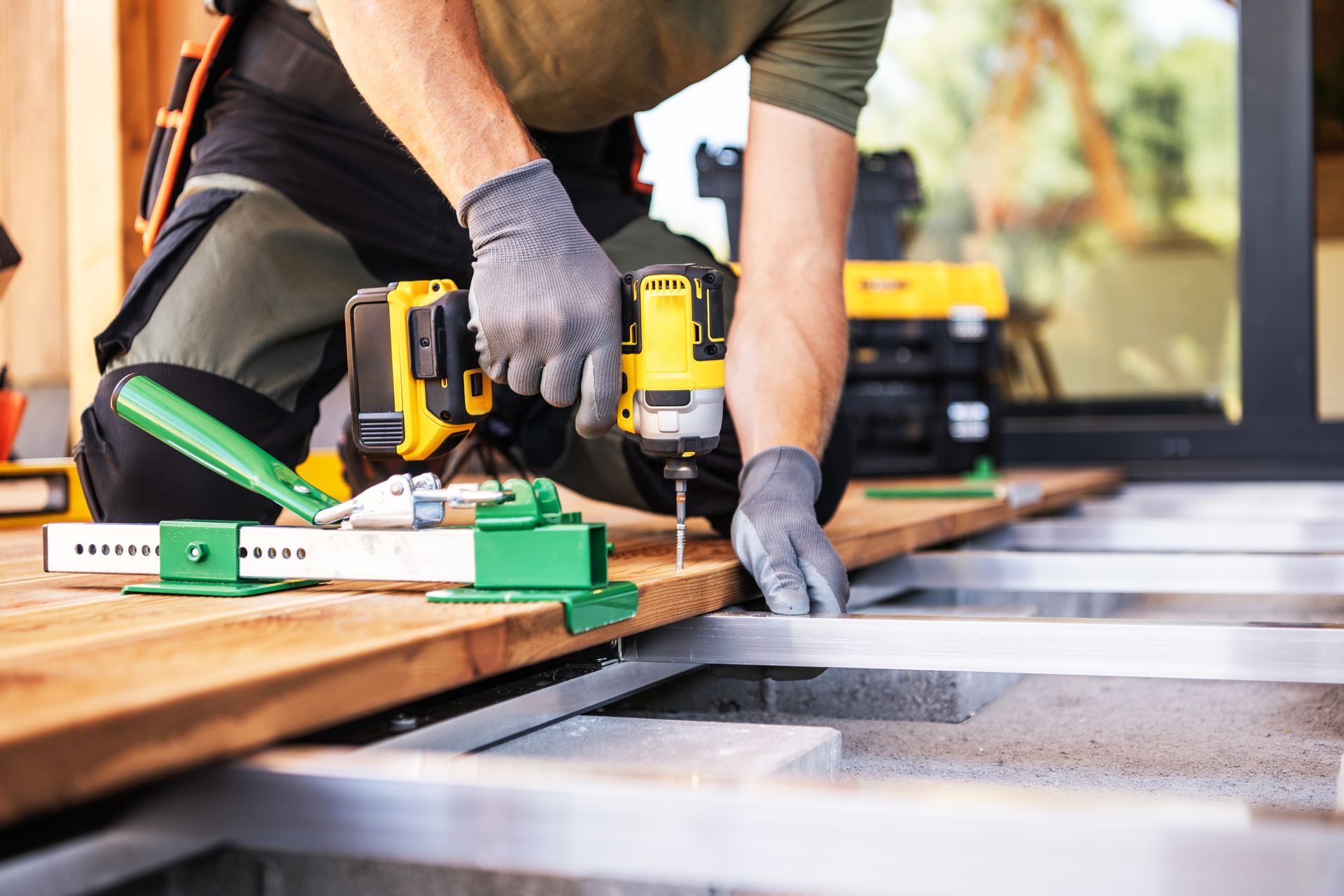
Subfloor stability determines whether finish flooring stays flat and secure or develops squeaks, movement, and gaps. Joists that have settled unevenly or subfloor panels that delaminated from moisture exposure create flex that finish materials can't accommodate without cracking or separating. Proper repair involves securing loose subfloor sections, shimming low areas to bring the surface back to plane, and replacing panels where water damage has destroyed structural integrity. Finish flooring installed over compromised subfloor fails again regardless of material quality.
Once floor repairs are finished, you'll walk across rooms without feeling soft spots or hearing movement, and boards remain tight without seasonal gaps that collect debris. Refinished wood floors show consistent color and sheen rather than worn traffic paths, and concrete surfaces no longer dust or flake where sealer had worn through. The floor feels solid underfoot because the structure beneath it was corrected, not just covered with new material.
Floor repair also addresses transitions between different flooring types, fixing thresholds where height differences create trip hazards, and sealing concrete to prevent moisture transmission that damages flooring installed above. The scope includes both cosmetic restoration where the structure is sound and full subfloor rebuild where settling or water damage has compromised what's beneath the visible surface.
What Property Owners Usually Ask
Floor repair questions typically focus on whether damage can be fixed in place or requires full replacement, and what causes the problems homeowners observe.
What causes wood floors to develop gaps between boards?
Seasonal humidity changes make wood expand in summer and contract in winter, but excessive gaps usually indicate the floor wasn't acclimated to interior conditions before installation or that crawl space moisture is too high.
How do you know if subfloor needs replacement or just repair?
Walking the floor reveals soft spots or excessive flex, and visual inspection from below shows water stains, delamination, or sagging between joists that indicate structural failure rather than surface wear.
What does concrete sealing actually accomplish?
Sealer prevents moisture transmission from below and stops dusting where the surface layer breaks down, which protects any flooring installed above and keeps the concrete from deteriorating further.
When should I refinish versus replace wood flooring?
Solid hardwood with at least a quarter-inch of material above the tongue can be sanded and refinished multiple times, while engineered flooring with thin wear layers or floors that have been refinished repeatedly need replacement once the veneer is gone.
Why do some floor repairs in Boise require moisture barrier upgrades?
Crawl spaces without proper vapor barriers allow ground moisture to rise into subfloor materials, causing cupping, mold, and structural failure that surface repairs can't stop without addressing the moisture source.
Blue Collar Vet LLC specializes in interior structural and cosmetic floor work, handling projects from single-board replacement to full subfloor rebuilds. The owner focuses on repairs that address why floors failed, not just what the damage looks like. Schedule a consultation to evaluate your floor's condition and discuss whether repair or replacement makes sense for your situation.