Repairs That Address Structure and Finish
Handyman Services in Boise for interior and exterior repairs across older Victorian homes and newer suburban properties
Boise's housing stock ranges from century-old homes near the North End to subdivisions built in the last two decades, which means repair needs vary from plaster wall restoration to modern drywall patching, knob-and-tube fixture replacement to updated trim installation. Blue Collar Vet LLC handles comprehensive handyman work that includes structural fixes, interior finishing, and exterior repairs across different construction styles and ages. A full-service approach matters when one issue connects to another—a leaking gutter that caused soffit rot, or settling that cracked drywall along a load-bearing wall.
The work covers drywall repair and installation, trim carpentry, fixture replacement, painting, minor structural adjustments, and exterior repairs like siding patches or deck board replacement. Older homes often reveal secondary problems once initial repairs begin, such as outdated wiring behind walls or framing that shifted as the foundation settled, which requires broader skills than single-trade contractors typically offer.
Schedule an evaluation to review your repair list and identify which issues need immediate attention versus deferred maintenance..
Our Services
What Proper Repairs Require
Effective handyman work traces visible problems to their underlying causes rather than just covering symptoms. A ceiling stain might indicate a roof leak, a plumbing failure, or condensation from inadequate attic ventilation—each requiring a different fix. Drywall cracks that reappear after patching often mean the framing behind the wall is moving, which won't stop until the structural issue is addressed. Repairs done correctly identify why the problem exists, not just what it looks like.
After repairs are complete, surfaces appear seamless and finishes match surrounding areas without obvious patches or texture differences. Doors close properly without sticking or gaps, trim joints stay tight without separating as the house moves through seasonal humidity changes, and painted areas blend with existing walls rather than showing lap marks or color mismatches. The work holds up because it addressed what caused the damage, not just the visible result.
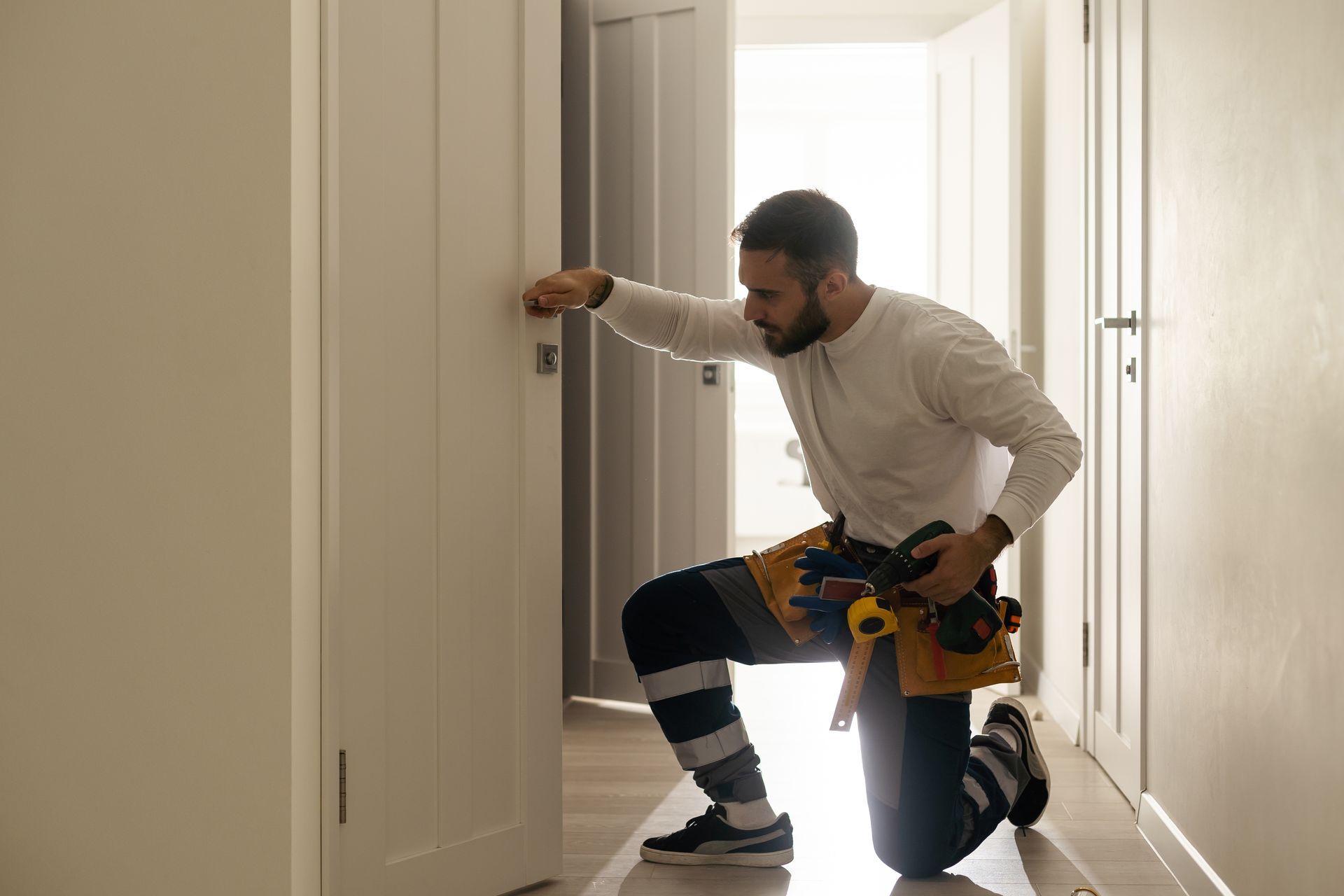
Handyman services also include smaller projects that don't require licensed contractors but still demand precision—installing shelving systems, replacing baseboards, hanging fixtures, or building simple structures like workbenches or storage units. The goal is solving multiple repair needs in one visit rather than coordinating several specialized trades for work that overlaps in scope.
Questions Before Starting Your Project
Repair work generates practical questions about scope, timing, and what homeowners should expect during the process.
What repairs can a handyman handle versus work requiring a licensed contractor?
General repairs, interior finishing, minor carpentry, and non-structural fixes fall within handyman scope, while major electrical panel work, structural beam replacement, or HVAC system installation require licensed specialists.
How do you match paint or stain on existing surfaces?
Color matching involves testing samples against the existing finish in natural light, and often requires custom mixing rather than relying on standard paint deck colors, especially for older homes with faded or discontinued products.
What preparation happens before drywall repair?
The damaged area is cut back to solid material, framing behind the wall is checked for stability, and backing is added if necessary before patching material is installed and finished to match the surrounding texture.
When does it make sense to combine multiple repairs in one visit?
Grouping related work in the same area or projects that share materials and tools reduces overall cost and minimizes disruption, particularly for repairs that require setup time like painting or trim installation.
Why do some repairs in Boise homes need seasonal timing?
Exterior painting and staining require temperatures above 50 degrees for proper curing, and wood trim installation works better in moderate humidity when materials aren't swollen from moisture or shrunken from winter dryness.
Blue Collar Vet LLC prioritizes quality repairs that address underlying problems, not cosmetic fixes that fail within months. The owner rebuilt a full patio structure and finish for a client who couldn't afford standard contractor rates but needed work that would last. Reach out to discuss your repair needs and receive an assessment of what each project involves.